
Selecting the right motorbike helmet is a most important decision for any rider. Not only does the helmet protect your head in the event of an accident, but it also plays a significant role in your comfort and experience on the road. This guide will help you find your way through the complexities of choosing a helmet that meets your needs in terms of safety, fit, and personal style.

A motorbike helmet is the most really important piece of safety gear for a rider. A well-chosen helmet can significantly reduce the risk of serious head injuries, which are among the most common causes of fatality in motorbike accidents. Moreover, the helmet protects against environmental factors such as wind, debris, and inclement weather, enhancing the riding experience.

Motorbike helmets are subject to various safety standards that dictate their effectiveness in protecting your head during an impact:
The effectiveness of a helmet's protection is largely dependent on its fit:
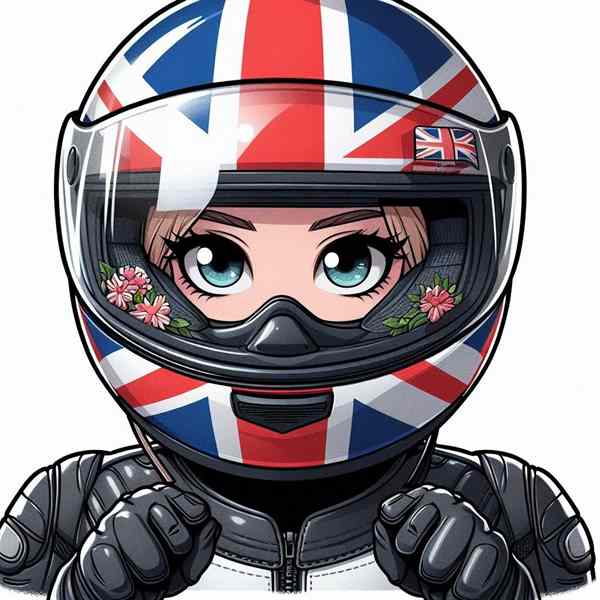
Visibility and ventilation are really important for comfort and safety on the road:
Modern helmets offer various features that can enhance your riding experience:
Choosing the right motorbike helmet involves more than just picking one off the shelf. It requires understanding the different types, knowing the safety standards, and finding a fit that offers maximum protection and comfort. Remember, a good helmet is an investment in your safety on the road. Are you looking to further protect yourself and your bike? Why not compare up to 25 online quotes from specialist motorbike insurance providers, ensuring you get the best cover to suit your biking lifestyle.
Prudent Plus Limited are members of the British Insurance Brokers Association, John Stow House, 18 Bevis Marks, London EC3A 7JB United Kingdom; Membership number: 007759.
They are registered with the Information Commissioners Office under The UK GDPR/Data Protection Act 2018: Reference number ZB208127